



Setting up your first saltwater aquarium is exciting, but it’s easy to make avoidable mistakes without the right plan. With some simple, science-backed tips, you can dodge the most common pitfalls and give your reef the best chance to thrive.
1. Choose the Right Tank Size
Bigger tanks mean more stability. While nano tanks are trendy, starting with 50–100 gallons provides a more forgiving environment for beginners.
👉 Shop Saltwater Aquariums (51–100 Gallons)
2. Invest in Quality Equipment
Reliable heaters, protein skimmers, pumps, and lighting are the foundation of a healthy reef. Buy quality from the start—you’ll save money and frustration later.
👉 Shop Saltwater Equipment
3. Use RO/DI Water Only
Tap water carries impurities like chlorine and phosphates that fuel algae and stress corals. An RO/DI system ensures you start with pure water every time.
👉 Shop RO/DI Systems
4. Build a Pest-Free Aquascape
Dry rock or artificial life rock (like CaribSea LifeRock) reduces the risk of introducing unwanted hitchhikers while providing an excellent base for beneficial bacteria.
👉 Shop CaribSea LifeRock Bundles
5. Be Patient During the Cycle
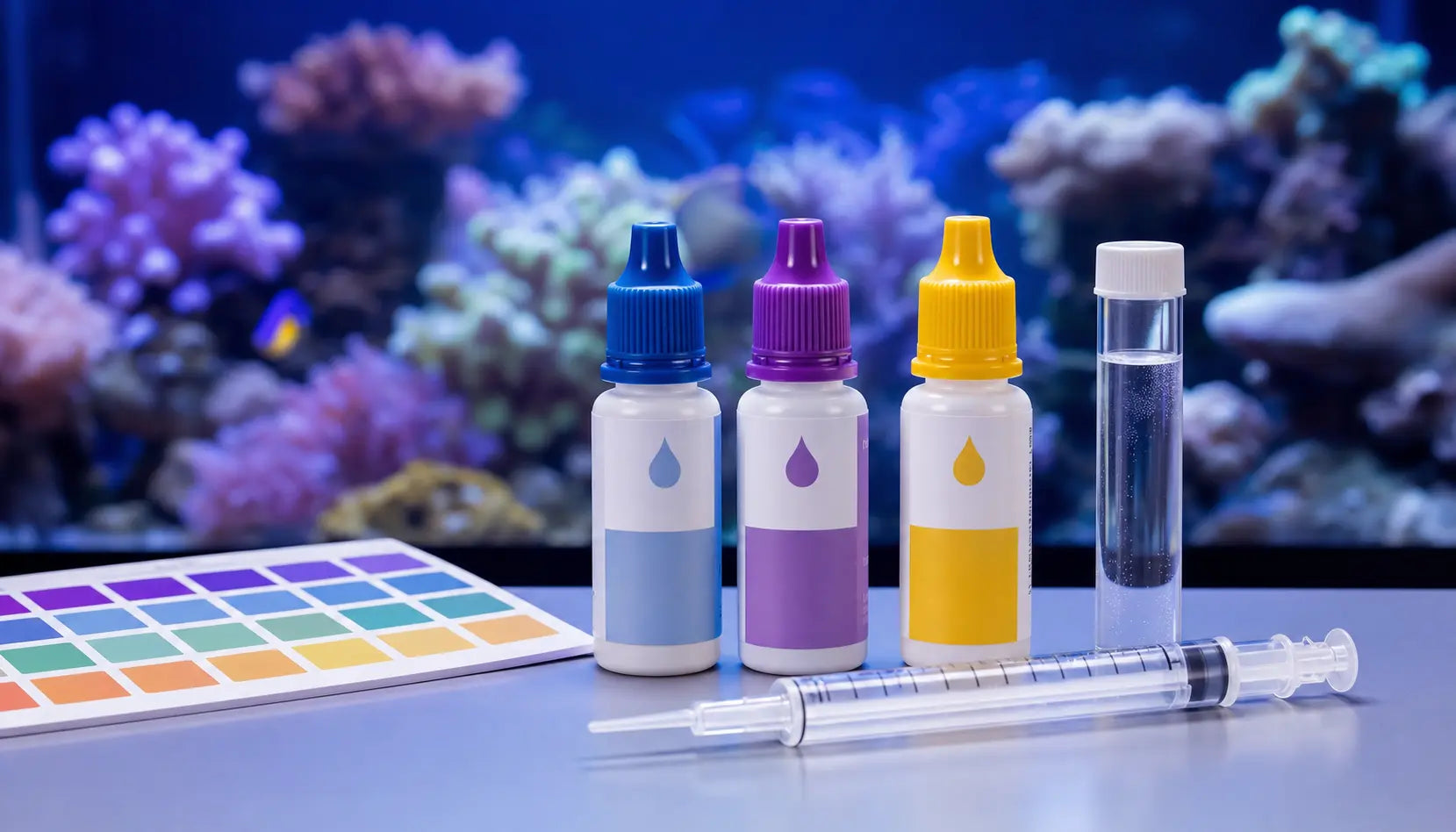
Allow beneficial bacteria to establish before adding livestock. Using a bottled nitrifying bacteria can help—always test ammonia, nitrite, and nitrate regularly.
👉 Shop Beneficial Bacteria
🎥 Watch: How to Cycle Your Aquarium
6. Add Livestock Slowly
Adding too many fish or corals too quickly can overwhelm your system. Start small and give your biofiltration time to adjust.
🎥 Watch: Adding Your First Fish
7. Pick Beginner-Friendly Fish
Clownfish, royal grammas, firefish gobies, and banggai cardinals are hardy, peaceful, and well-suited for new aquariums.
🎥 Watch: Best Beginner Saltwater Fish
8. Set Up a Clean-Up Crew Early
Snails, hermit crabs, and sand sifters help prevent algae outbreaks and naturally maintain your tank.
🎥 Watch: Choosing the Right Clean-Up Crew
9. Focus on Stable Parameters
Consistency beats perfection. Aim for salinity around 1.025, temperature 77–78°F, alkalinity 8–9 dKH, calcium 420–460 ppm, and magnesium 1300–1400 ppm.
🎥 Watch: Dosing & Testing Guide
10. Don’t Overfeed
Overfeeding causes nutrient spikes and algae blooms. Feed only what fish consume within a minute or less.
🎥 Watch: Fish Nutrition Basics
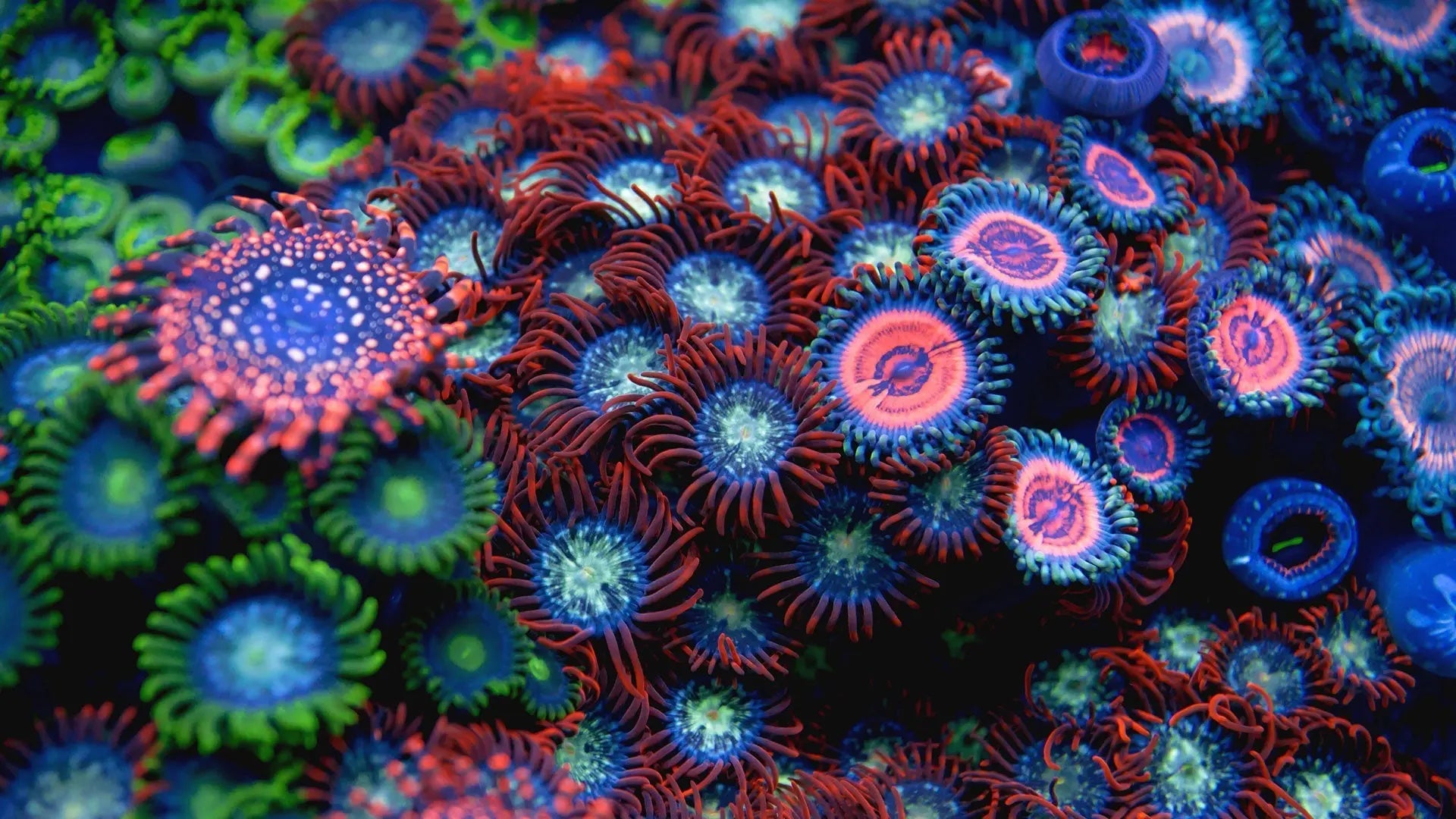
11. Start with Hardy Soft Corals
Zoanthids, mushrooms, and green star polyps are colorful, forgiving options for beginners.
🎥 Watch: Adding Soft Corals
12. Control Lighting Early On
Too much light at the start invites algae. No light is needed until you add coral, then begin with 6–8 hours daily and adjust gradually as more corals are added.
Final Thoughts
A saltwater aquarium is one of the most rewarding journeys in the hobby. By avoiding these beginner mistakes, you’ll create a stable, thriving reef full of vibrant fish and corals—one you’ll enjoy for years to come.
Share:
It All Starts with the Salt: How Your Mix Determines Reef Success
The Importance of a Protein Skimmer in Your Aquarium