



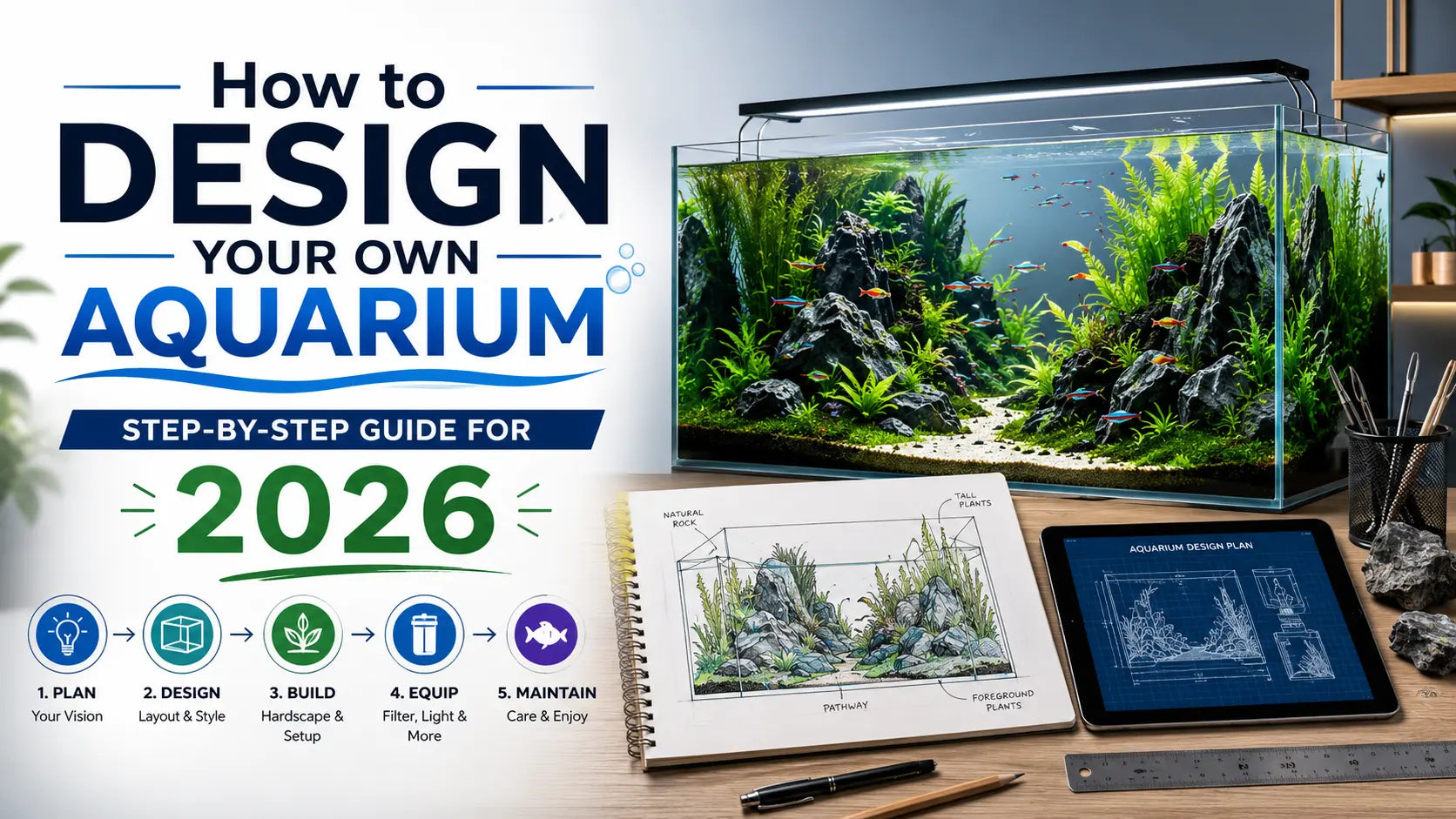
Designing an aquarium is as rewarding as it is challenging, blending creativity with precise care. Selecting the ideal components and digital tools in advance can spare frustration later and set the stage for a thriving aquatic ecosystem. This guide walks through key steps—from choosing tank size to selecting fish—equipping hobbyists with the insights needed to confidently craft their own underwater world.
Choosing the Right Aquarium Size and Type
Aquariums come in various shapes and sizes, from compact 5-gallon tanks to expansive 100-gallon setups. Common styles include rectangular, bow-front, and cylindrical designs, each offering a different visual experience. Size directly impacts which fish species can be kept and how much upkeep is required. Freshwater tanks generally demand less maintenance and cost compared to saltwater setups, which offer vibrant marine life but require more precise water chemistry. Picking the right size and type creates a balanced environment, reducing stress and long-term complications. For more inspiration on freshwater environments, consider exploring freshwater aquascaping techniques.
Planning Your Aquarium Design Layout
Plotting your aquarium layout before assembly saves time and frustration. Sketching ideas on paper or using specialized aquarium design software and virtual aquarium planning tools provides a clear vision of space allocation. Effective layouts strike a balance between visual appeal and practicality, ensuring fish have ample swimming room while accommodating plants and equipment. Establishing distinct zones—such as planted areas, rocky hideouts, and open water spaces—helps simulate natural habitats and promotes fish wellbeing.
Selecting Substrate and Hardscape Materials
The substrate forms the aquarium’s foundation, with gravel, sand, and soil each offering unique benefits. Gravel is versatile and easy to clean, while sand provides a soft bottom great for bottom dwellers. Soil promotes healthy plant growth but may require more maintenance. Hardscape elements like rocks, driftwood, and caves add structure and hiding places. Placement should consider fish behavior and water flow, using only materials guaranteed safe and non-toxic to avoid disrupting the aquatic balance.
Choosing Plants and Decorations for Your Aquarium
Selecting plants depends on experience level: hardy varieties like Java fern suit beginners, whereas delicate species such as carpeting plants challenge advanced keepers. Live plants enhance oxygen levels and nutrient cycling, whereas artificial ones require less upkeep but lack ecological benefits. Complementing greenery with decorations—ornaments, tank backgrounds, and appropriate LED aquarium lighting—creates depth and interest. Thoughtful arrangement ensures a harmonious, natural look that supports fish comfort and aesthetic appeal.
Selecting Fish and Other Aquatic Animals
Fish selection hinges on tank dimensions and water type compatibility. Smaller tanks limit species choice to tiny tropicals, while larger tanks accommodate community fish or vibrant saltwater species. Compatibility is critical to avoid aggression; researching temperament and space needs prevents conflicts. Introducing invertebrates such as shrimp or snails fosters ecosystem health by managing algae and detritus. Understanding each species’ care requirements guarantees a balanced, thriving aquarium environment.
Essential Equipment and Setup Steps
Fundamental equipment includes a reliable filter sock or mechanical filtration device to maintain water clarity, a heater to keep stable temperature, appropriate lighting to support plants and showcase fish, and an air pump for added oxygenation. Choosing models that fit tank size and type optimizes performance and energy efficiency. Setup begins with thoroughly cleaning the tank and installing equipment according to manufacturer instructions. Before introducing fish, cycling the aquarium is essential; this process establishes beneficial bacteria that detoxify ammonia, ensuring a safe habitat.
Maintaining Your Aquarium for Long-Term Success
Consistent maintenance practices underpin a healthy aquarium. Regular water changes remove accumulated toxins and replenish minerals, while cleaning filter socks and other filtration components sustains effective filtration. Monitoring water parameters—like pH, ammonia, and nitrate—detects issues early. Observing fish behavior provides clues to health status, signaling potential diseases. Feeding schedules tailored to species needs avoid overfeeding and waste buildup. Commitment to routine upkeep prevents common pitfalls and extends aquarium longevity.
Troubleshooting Common Aquarium Problems
Typical challenges include algae overgrowth, which can cloud tank water and smother plants. Managing light duration and nutrient levels often curbs this. Cloudy water may result from bacterial blooms or improper filtration and requires adjustment of cleaning routines. Fish illness signs—lethargy or discoloration—warrant swift intervention, from water testing to medication. When problems persist or escalate, consulting aquatic specialists ensures appropriate diagnosis and treatment.
Using Technology and Tools to Enhance Your Aquarium Design
Modern aquarium design benefits from digital tools like layout software and mobile apps, enabling precise planning and virtual previewing before physical setup. Smart devices—automatic feeders, programmable lighting timers, and silicone-coated flexible mounts for aquarium lighting—simplify daily care and foster stable conditions. Experimenting virtually helps test ideas, maximizing satisfaction with the final aquascape while reducing costly mistakes.
Tips and Best Practices for Aquarium Design Success
Successful aquariums are built gradually; patience during setup and cycling reduces stress and improves outcomes. Engaging with aquarist communities provides valuable advice, troubleshooting tips, and inspiration. Maintaining a journal or photo log documents progress and helps identify patterns, aiding future improvements. From meticulous planning to steady maintenance, these practices support a vibrant, balanced aquatic environment.
Share:
How to Choose and Use a Media Reactor Effectively in 2026
Calcium, Alkalinity & Magnesium: Why Reef Test Kits Are Your Tank's Best Insurance Policy