



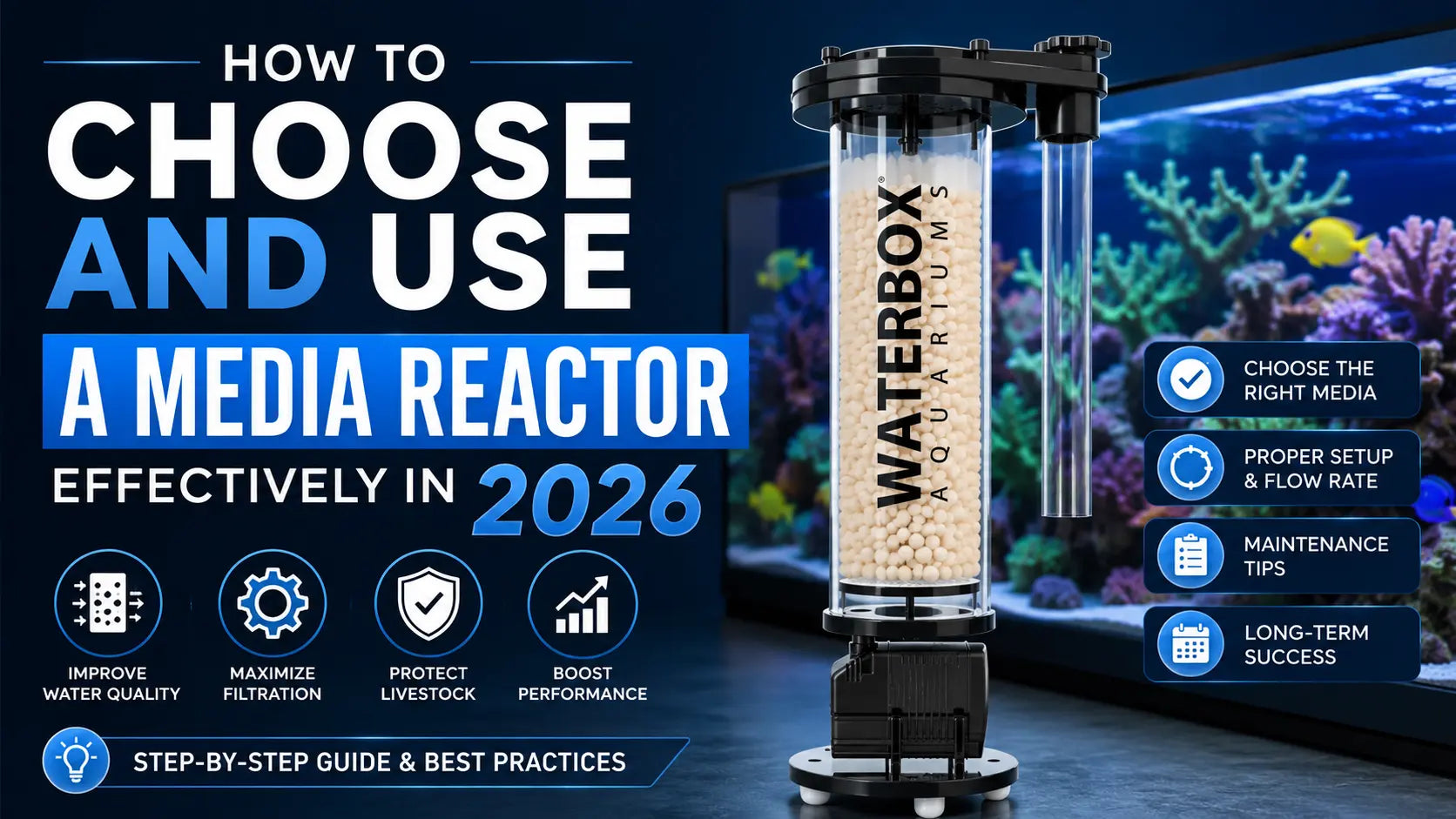
Maintaining crystal-clear water and balanced ecosystems poses an ongoing challenge for aquarium enthusiasts. Media reactors offer a targeted solution by optimizing filtration processes, enhancing water quality, and supporting aquatic health. This guide explores how to select the right media reactor and choose effective media to meet specific aquarium needs, ensuring a thriving aquatic environment.
What Is a Media Reactor and Why Use One?
A media reactor is a specialized filtration device designed to hold filtration media through which aquarium water continuously flows. It enhances water quality by providing efficient contact between water and media, promoting effective removal of impurities like phosphates, organics, and nitrates. Common media include activated carbon, granular ferric oxide (GFO), and bio-pellets, each serving distinct filtration purposes. Compact and versatile, reactors improve filtration beyond standard filters, ideal for both freshwater and saltwater aquariums.
How to Select the Right Media Reactor for Your Setup
Selecting the appropriate media reactor starts with tank size and the volume of water needing filtration. Smaller tanks benefit from compact reactors with low flow rates, while larger setups require reactors with higher capacity to process water efficiently. Reactor designs vary—some use pressurized chambers, while others offer fluidized beds; selecting depends on space availability and media type compatibility. Additionally, ease of maintenance and media replacement frequency influence long-term user experience. Matching reactor capacity with filtration goals ensures balanced water parameters without over- or under-filtering.
What Should I Put in My Media Reactor?
Choosing reactor media hinges on specific aquarium challenges. Activated carbon excels at removing dissolved organics and odors, while GFO is preferred for reducing phosphate levels that fuel algae growth. Bio-pellets support biological filtration by promoting beneficial bacteria to consume nitrates. Determining the suitable media involves evaluating water test results and aquarium inhabitants' needs. Media quantity should align with manufacturer recommendations relative to tank volume, and regular replacement or recharging maintains optimal effectiveness.
Expert Tips to Maximize Media Reactor Performance
Optimizing media reactor use includes monitoring flow rates to ensure sufficient water contact without overwhelming the media or causing channeling. Routine maintenance, such as cleaning the reactor chamber and timely media replacement, prevents clogging and maintains consistent filtration capacity. Tailoring media combinations—for example, pairing carbon with GFO—can address multiple water quality issues simultaneously, though users should track results to prevent nutrient imbalances. Properly integrated, media reactors become essential tools for fine-tuning aquarium water chemistry.
Share:
The Best Algae Eaters for a Clean, Thriving Planted Aquarium
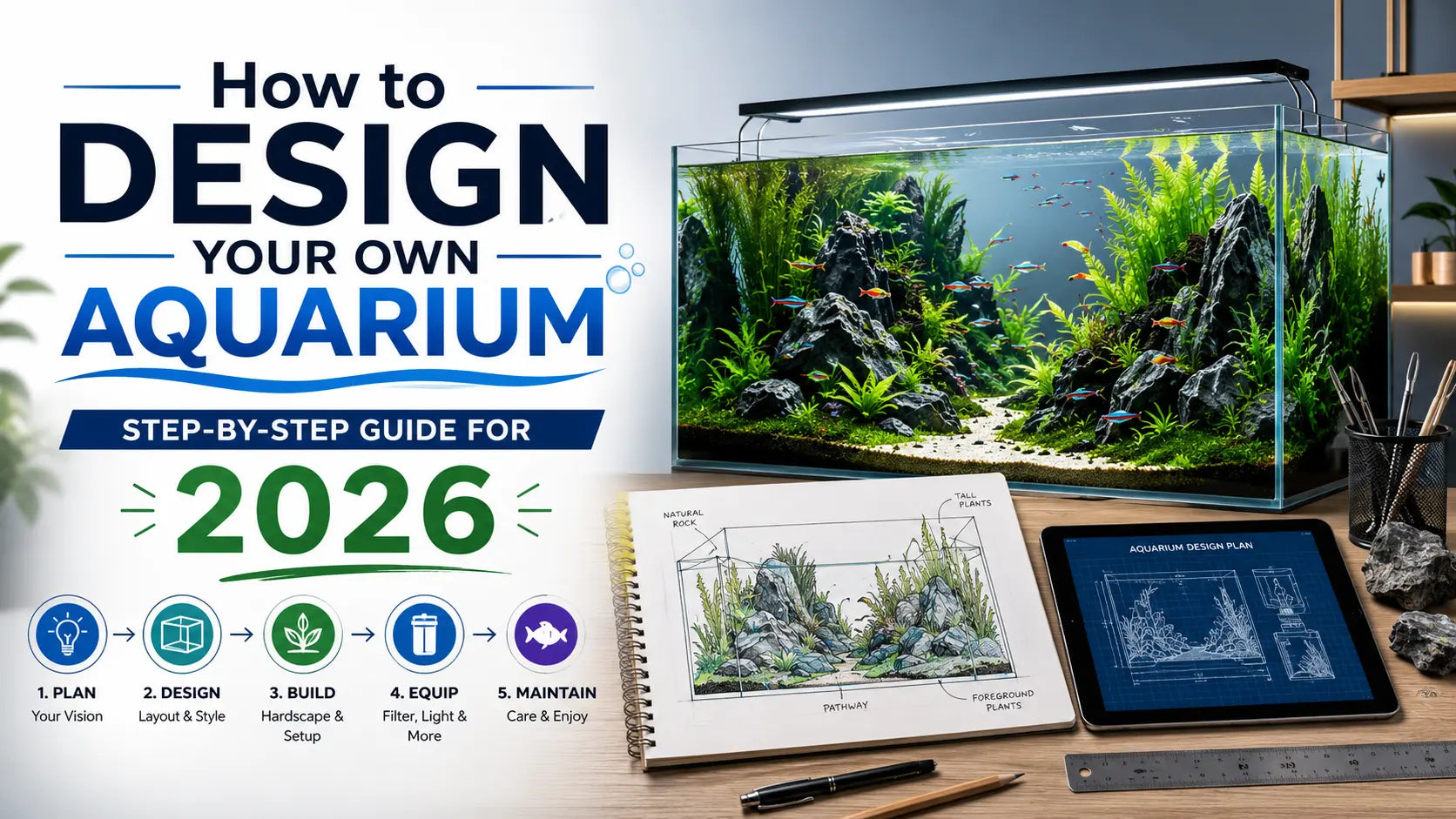
How to Design Your Own Aquarium: Step-by-Step Guide for 2026