



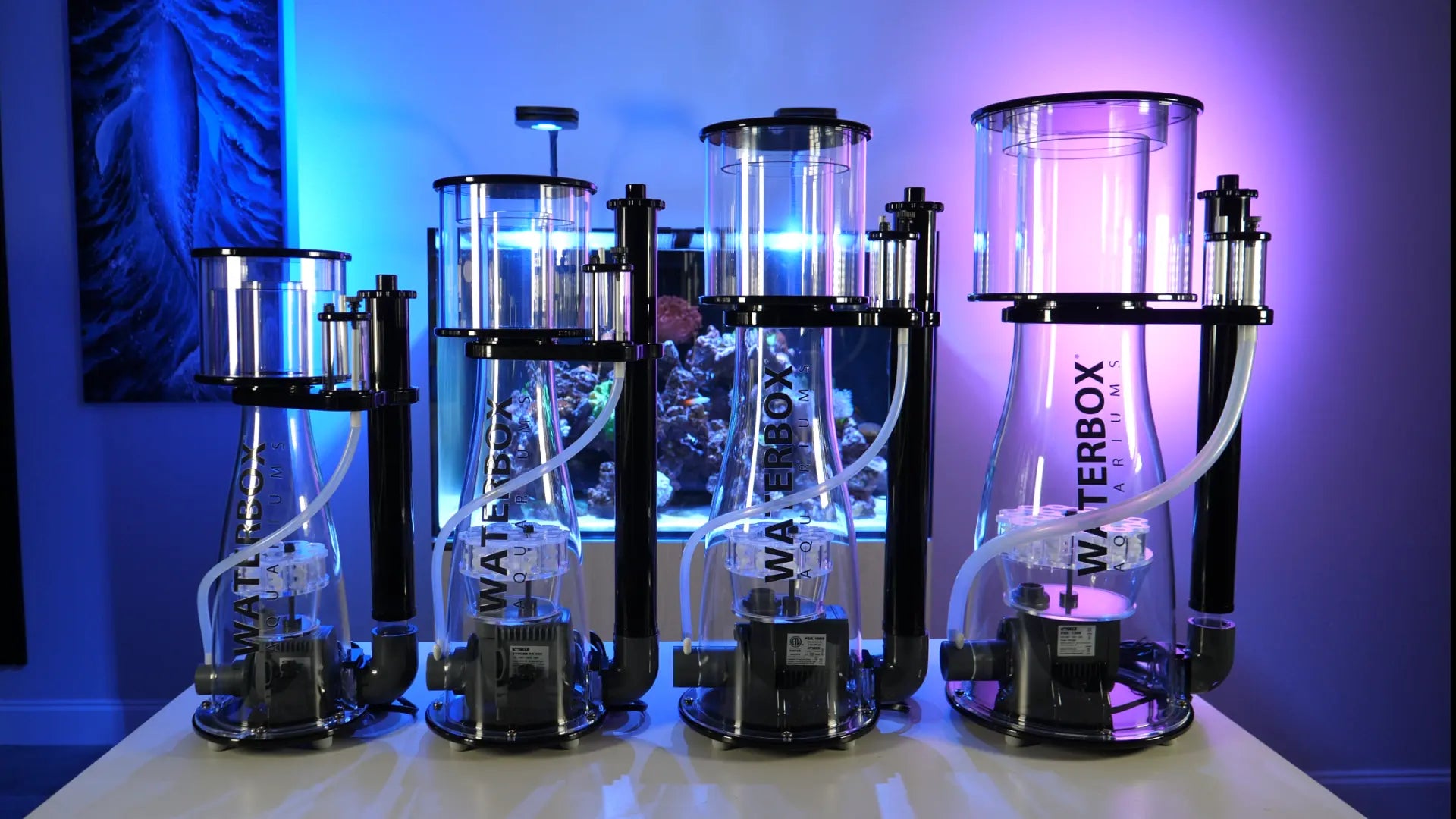
A thriving saltwater aquarium hinges on stable, clean water conditions—and a protein skimmer is one of the most effective tools to achieve that balance. Often dubbed the “heart of filtration” in reef systems, it works tirelessly to remove waste before it decomposes into harmful compounds.
Let’s dive into why a protein skimmer is essential, how it functions, how to size it correctly, and how to fine-tune its performance for your system.
What Does a Protein Skimmer Do?
A protein skimmer mixes fine air bubbles with aquarium water to extract dissolved organic waste, uneaten food, and other debris. This early removal prevents the buildup of nitrates, phosphates, and other compounds that can fuel algae and compromise water clarity and quality.
Without a skimmer, organic waste gradually builds up, clouding your water, triggering nuisance algae, and putting stress on fish and corals. With one, you’re actively creating an ideal environment where marine life can flourish.
Choosing the Right Size
Proper sizing is as important as having a skimmer in the first place. When choosing one, consider both the total system volume (display tank, sump, and any other connected water volumes) and the bioload—the number of fish, corals, and invertebrates, and the waste they generate.
A higher bioload demands a more powerful skimmer. As a rule of thumb, selecting a model rated slightly above your current needs gives you room for future expansion.
Keep in mind: going too large isn’t always better. An oversized unit may fail to generate a consistent foam head, reducing its effectiveness at depositing skimmate into the collection cup.
How a Protein Skimmer Works
The process begins with the skimmer’s pump drawing water from the sump and pulling in air through a venturi. A specialized impeller breaks the air into microbubbles—tiny enough to capture dissolved organic particles. As these bubbles rise through the skimmer body, a bubble plate helps maintain calm water flow, preventing turbulence that can disrupt skimming.
Organic waste adheres to the microbubbles, forming a foam that travels up the skimmer's neck and collects in the cup as skimmate—a thick, dark liquid rich in extracted waste. To keep your system efficient, clean the collection cup regularly.
The Break-In Period
When a skimmer is first installed, it often requires a break-in period before operating at peak efficiency—typically lasting a few days to a couple of weeks. During this time, you’ll need to fine-tune the water level using the adjustment knob until the foam becomes steady and effective.
Learn more here: Break in period of new Waterbox skimmer
Fine-Tuning for Best Results
To optimize performance, adjust the water level via the control knob:
-
Lowering the water level produces drier foam—thicker and more concentrated waste removal.
-
Raising it yields wetter foam—lighter foam that clears waste more quickly but in smaller quantities.
Striking the right balance ensures efficient skimmate output and stable water parameters for your reef.
Learn more here: How to dial in your Waterbox skimmer
A Worthwhile Investment
By intercepting waste before it degrades, a protein skimmer helps stabilize water chemistry, reduce the frequency of water changes, and promote a healthier environment for your marine livestock. Whether you're launching a new setup or upgrading an existing one, investing in a quality skimmer is one of the most impactful decisions you can make for your reef’s long-term health.

Share:
12 Common Beginner Mistakes to Avoid in Reefkeeping
Why You Need Carbon and Phosphate Media in Your Aquarium