



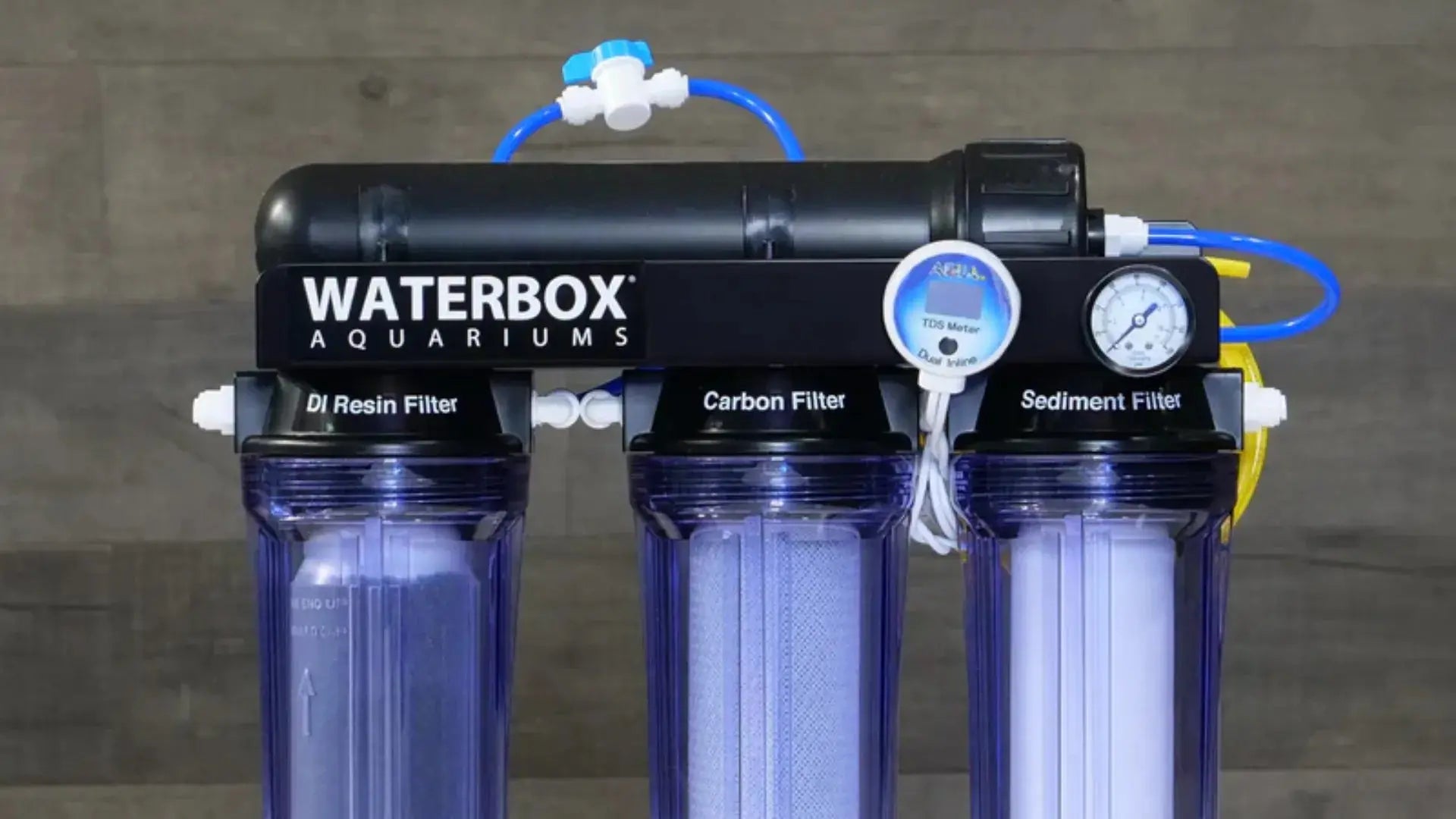
When it comes to keeping your aquarium thriving, one of the most overlooked factors is the purity of your water. Even the most advanced filtration system can only do its job if it’s properly maintained—and that includes your RO/DI (Reverse Osmosis/Deionization) filters. These filters are the backbone of clean, contaminant-free water, but they don’t last forever. Knowing when and why to replace them can make all the difference in maintaining a healthy aquatic environment.
The First Line of Defense: Sediment and Carbon Filters
Your RO/DI system begins with sediment and carbon filters, which act as the first barriers against impurities. The sediment filter catches particles like dirt, rust, and sand before they can reach and damage more sensitive components. Over time, these particles clog the filter, reducing water pressure and overall efficiency. A noticeable pressure drop—around 5 PSI—or a dark, discolored filter are telltale signs that it’s time for a change. On average, sediment filters should be replaced after producing about 500 gallons of purified water, though this number can vary based on your tap water’s quality.
Next comes the carbon filter, which removes chlorine and other chemical contaminants that can degrade your RO membrane. Neglecting this stage can allow chlorine to slip through, significantly shortening the membrane’s lifespan. To keep your system protected, replace the carbon filter at the same time as your sediment filter—about every 500 gallons of clean water produced.
The Workhorse: RO Membrane
The RO membrane does the heavy lifting by removing most dissolved solids from your water. It’s critical to monitor its performance regularly using a TDS (Total Dissolved Solids) meter. If the TDS level of your RO water rises above 10% of your tap water’s TDS—for instance, if your tap water measures 100 TDS and the RO water is 10 or higher—it’s time to replace the membrane. Keeping this number as low as possible will also extend the lifespan of your DI cartridge, saving you time and money in the long run.
The Final Polish: DI Resin
After the RO membrane, the water passes through the DI (Deionization) cartridge for the final purification step. This stage removes the last traces of dissolved solids to achieve truly pure water—essential for sensitive reef and freshwater systems alike. A DI cartridge should be replaced as soon as the TDS reading of its output rises above zero. If you’re seeing readings of 2 or 3, it’s definitely time for a new cartridge. Continuing to use an exhausted DI resin can allow impurities back into your system, promoting algae growth or stressing your fish and corals.
Staying on Schedule
Sticking to a consistent filter replacement schedule is key. Keep an eye on pressure drops, TDS readings, and the visual condition of your filters. Replacing filters proactively ensures that your RO/DI system continues delivering ultra-pure water—protecting your livestock and keeping your aquarium crystal clear.
Whether you’re just starting out or you’ve been in the hobby for years, staying ahead of filter maintenance will reward you with stable water parameters and a vibrant, thriving aquarium. A little attention to your RO/DI system goes a long way toward keeping your underwater world at its best.
Share:
Starting Your First Planted Aquarium: The Best Hardy Plants for Beginners
The Best Algae Eaters for a Clean, Thriving Planted Aquarium